
-

MEETS AUSTRALIAN STANDARDS
-

FAST PRODUCTION
-

DELIVERY
-

SPECIALISED INSTALLATION


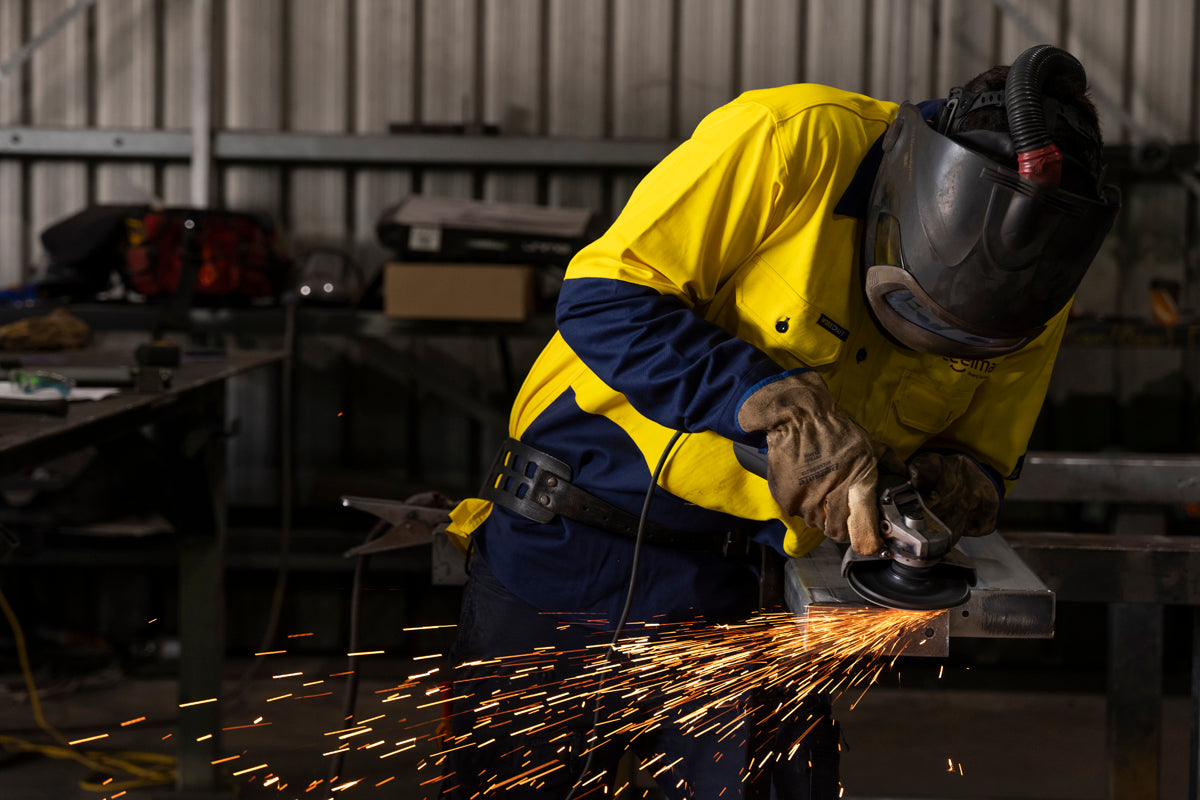
Our Fabrication Services
-

Custom steel fabrication
-

Structural steel fabrication & installation
-

Metal finishing & coatings
-

CNC Profile Cutting
-

Stainless steel fabrication
-

Sheet metal
-

In-house design / drafting


Retaining Wall Supplies, Concrete Sleepers & Steel Posts
A retaining wall helps hold back soil, create level areas and manage changes in ground level around homes, gardens and landscaping projects. Choosing the right materials is important for building a wall that can handle soil pressure and changing site conditions. Steelmart supplies a complete range of retaining wall products for residential, landscaping and general construction projects. Our range includes concrete sleepers, hot dipped galvanised steel posts and practical accessories for installation and finishing. Choose from Block Pattern, Smooth and Plain or Timber Pattern concrete sleepers to suit the look of your project. We also stock EZY DIY End Posts, H Posts, Corner Posts and Spade Posts for different wall layouts. Whether you are building a new wall, replacing an old timber wall or creating a more level outdoor area, our retaining wall supplies make it easier to source the key components from one place.
Concrete Sleeper Retaining Wall
Concrete sleeper retaining walls use reinforced concrete sleepers installed horizontally between steel posts. They're one of the most popular choices for residential retaining walls because the system is straight, durable, and built for the job when installed correctly.
Why concrete sleepers are widely used
- Strong, long service life
- Clean, straight finish (great for boundaries and tight spaces)
- No rot or termites (unlike timber)
- Flexible look options: block pattern, smooth or timber-style sleepers
Important: installation depth, footing, and drainage behind the wall make a big difference to long-term performance.

Why retaining wall blocks are popular
- Easy to handle and install
- Suitable for curved and tiered walls
- Ideal for landscaping projects
- Available in different finishes and styles
For higher walls or load bearing applications, engineering advice may be required depending on height and site conditions.
Why Customers
Choose Steelmart
Retaining wall supplies stocked and ready to order online. Concrete sleepers in multiple finishes (block / smooth / timber pattern). Steel post options to suit straight runs and corners. Accessories to help with alignment and finishing (caps, wedges, spades).
SHOP ONLINE
FAQs
What is the cheapest type of retaining wall?
Timber retaining walls are often one of the lower cost options for smaller landscaping projects. However the total cost depends on wall height, site conditions, materials, drainage, footing requirements and installation. Concrete sleepers can cost more initially but offer long service life and do not have the same rot and termite concerns as timber.
How much do concrete retaining walls cost?
The cost of a concrete retaining wall depends on the wall size, number of sleepers and steel posts required, site access, footing requirements and installation. The finish of the sleepers can also affect the material cost. For an accurate project estimate, calculate the required wall length and height, then select the appropriate sleepers, posts and accessories.
What is the Australian standard for retaining walls?
AS 4678, Earth retaining structures, is a key Australian Standard relating to the design of earth retaining structures. Other requirements may also apply depending on the site, wall height and location. Local council requirements can vary, so check the applicable regulations and obtain professional advice where required.
Can I build a retaining wall myself?
Some smaller retaining wall projects can be completed as a DIY job when the design, materials and site conditions are suitable. However retaining walls must safely manage soil pressure and water behind the wall. Larger or higher walls may require engineering, approvals or professional installation. Always check local council requirements and the relevant standards before starting work.
What materials are needed for a retaining wall?
A retaining wall typically requires concrete sleepers, steel posts, gravel for drainage, geotextile fabric, and suitable backfill material. Depending on the wall design, you may also need concrete for post footings, drainage pipe, and retaining wall caps or edging.