
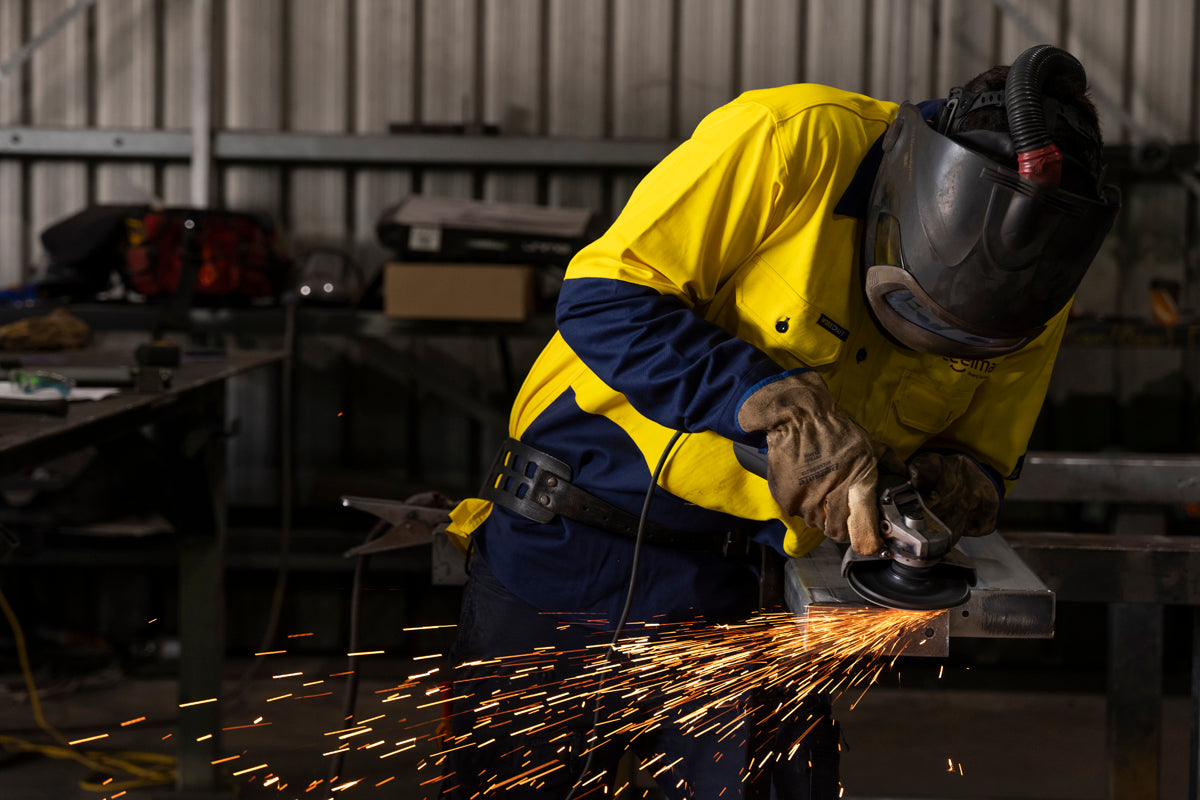


What Is Stainless Steel Fabrication?
Stainless steel fabrication is the process of turning stainless into finished components through cutting, bending, welding, forming and polishing. The goal isn't just "make it strong" — it's make it strong and keep it clean, with the correct grade and finish for the environment.
Stainless offers excellent corrosion resistance, hygiene performance, and a premium architectural look — which is why it's commonly used for:
- Handrails and balustrades
- Coastal and marine-exposed metalwork
- Commercial kitchens and food-area fabrication
- Public infrastructure and high-wear environments
- Screens, brackets, frames and custom components
Note: stainless is highly corrosion resistant, but not immune — grade selection and finishing are critical.
Stainless Steel Fabrications Services
End-to-End, In-House
We handle stainless work from start to finish, including:
- Sourcing 304 or 316 to suit the environment
- Cutting, forming, rolling and fabrication
- Stainless-specific welding practices (to avoid contamination and heat tint issues)
- Polishing to the required finish
- Pickling and passivation where required to restore corrosion resistance after fabrication
- Packaging and logistics coordination for delivery to site
304 vs 316
- 304 suits many general commercial and architectural applications.
- 316 is typically preferred for coastal/marine exposure and harsher environments.
We'll recommend the right grade before material is ordered.
How our stainless fabrication process works
-
1. Tell us what you need
Send drawings, a sketch, photos, dimensions, or a description. If it’s an exposed architectural finish or coastal job, tell us the environment — it changes the grade and finishing approach.
-
2. Confirm grade, finish and build approach
We’ll flag anything that affects cost, appearance or durability early (weld placement, polishing direction, access for install, drainage points, etc.)
-
3. Fabricate, weld, finish
We fabricate in the correct sequence to minimise distortion and marking, then polish and treat as required — including pickling/passivation where specified.
-
4. Check, pack and dispatch
Every job is checked against spec — dimensions, weld quality and finish — then packaged appropriately for transport and site conditions.
Why choose Steelmart for stainless fabrication?
Stainless steel is unforgiving — especially in coastal and architectural work where every weld, surface mark and finish line is visible.
Steelmart’s advantage is simple: we’re vertically integrated, so we can source the right stainless, fabricate it in-house, apply the correct finishing process, and coordinate packaging and logistics to suit the site.
That means fewer handovers, fewer delays, and a finished result that looks right and performs in harsh conditions.
- vertically integrated sourcing + fabrication + finishing
- specialist capability in architectural and coastal stainless
- clean welds and consistent finishes (not “good enough”)
- correct processes to reduce contamination and future staining risk
- packaging/logistics support for complex or remote deliveries
FAQs
What factors affect stainless steel fabrication cost?
Key drivers are:
- grade (316 generally costs more than 304)
- complexity (forming/rolling, weld volume, assembly time)
- finish level (brushed vs higher polish requirements)
- any specified treatments (e.g., pickling and passivation)
- quantity (one-off vs repeat run)
We quote clearly upfront so you know what’s included.
What services are included in your stainless fabrication?
We can handle end-to-end stainless work: cutting, forming, welding, polishing, and where required pickling/passivation, plus packaging/logistics coordination. If installation support is needed for certain projects, we’ll confirm scope and requirements upfront.
What’s the difference between 304 and 316 stainless?
304 is a common all-round stainless for many commercial and architectural jobs.
316 offers higher corrosion resistance and is typically chosen for coastal/marine exposure and harsher environments. If appearance and long-term performance matter near salt air, 316 is often the safer pick.
Do you handle pickling and passivation?
Yes — where required. Pickling and passivation can be critical after welding/fabrication to help restore corrosion resistance and improve long-term performance, especially for coastal/infrastructure work.
Can custom stainless steel fabrication be done to exact specifications?
Yes. We work to your drawings/specifications, and if something will create issues (fit-up, finish visibility, weld access, distortion), we flag it before cutting begins.
How do I choose the best stainless steel fabrication company?
Search for stainless fabrication near me. Look at their previous work first. Clean welds, consistent finishes, no visible surface marks. Ask about their polishing equipment and whether they have experience with the specific grade and application you need. Experience with stainless specifically matters. It behaves differently from mild steel and the mistakes show more.
How do stainless steel fabrication companies ensure quality?
Checking measurements at every stage, using correct welding methods for stainless and polishing the surface properly afterward. The finish has to be clean or contamination gets locked into the surface and rust follows. A good fabricator does not leave that to chance.