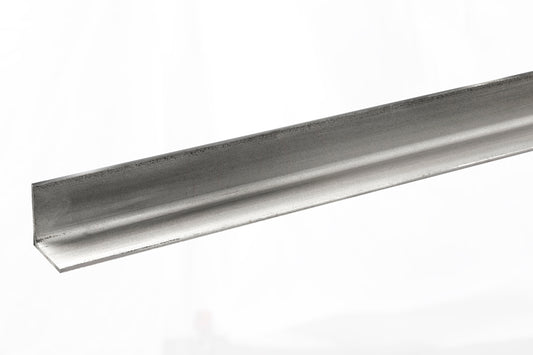
Stainless Steel — reliable corrosion resistance for fabrication, marine and architectural work

Stainless steel is a high-performance steel alloy designed to handle moisture, wear and exposure far better than plain mild steel. It gets its corrosion resistance from chromium, which forms a protective surface layer helping stainless stay cleaner, last longer, and keep a premium finish in demanding environments.

At Steelmart, we stock stainless steel across the core profiles fabricators actually use — bars, sheets, tube and SHS — in Grade 304 for general applications and Grade 316 when the job is exposed to harsher corrosion (coastal, marine, chemical-adjacent).

Where stainless steel earns its place:

  • coastal and exposed builds (select the right grade)
  • handrails, balustrades and architectural fabrication
  • brackets, mounts and fixings where appearance matters
  • industrial and maintenance work in wet or corrosive areas

Note: stainless is highly corrosion resistant, but it’s not “immune” in every environment — correct grade selection and good fabrication/clean-up are key.

Choosing the right stainless grade: 304 vs 316

  • Grade 304: the go-to for most general stainless work — strong, versatile, and well suited to many indoor/outdoor applications.
  • Grade 316: enhanced corrosion resistance, typically preferred for marine/coastal exposure and harsher environments.

If the build is near the ocean or regularly exposed to salt spray, 316 is usually the smarter long-term choice.

creative-aspect-of-skate-ramp-staircase-blue-skies

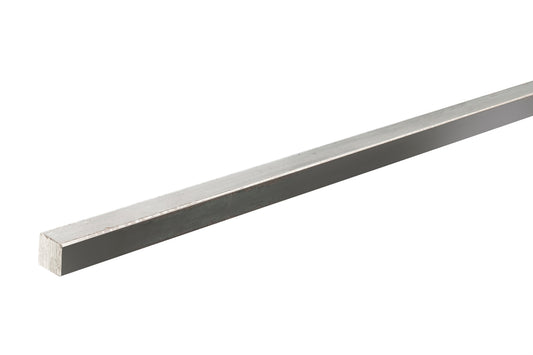
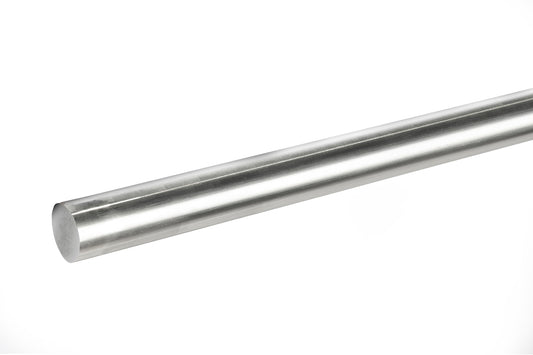
Stainless Steel Bar — strong, clean and made for fabrication

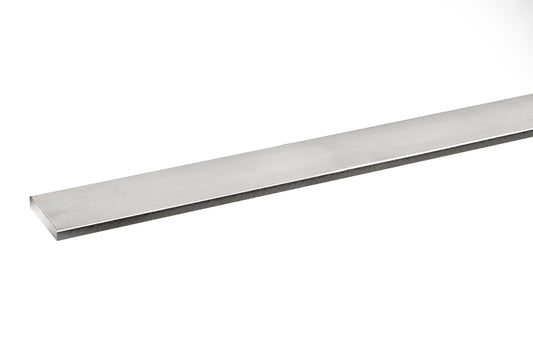
Stainless steel bar is a solid, weldable material used for brackets, supports, pins, shafts, frames and custom fabrication. Steelmart stocks stainless bar in GR304 and GR316, with pricing shown per metre so you can order exactly what you need.

Common uses include:

  • handrail components and brackets
  • machinery parts and general maintenance fabrication
  • architectural details where finish matters
  • outdoor gates, stairs and exposed supports (grade-dependent)

Customers often pair stainless bar with matching stainless profiles like stainless tube and stainless SHS to keep the whole build consistent (and avoid mixed-metal headaches). 

Stainless steel sheets, tube and SHS — built for finish and performance

Whether you’re fabricating a clean architectural feature or building for harsh exposure, stainless profiles let you keep the job strong, consistent, and sharp-looking from end to end.

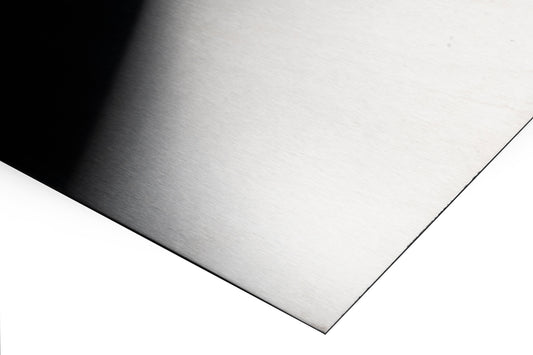
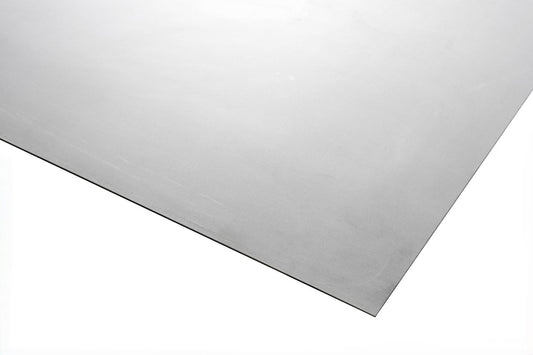
  • Stainless Steel Sheet: available in multiple grades/finishes (including brushed #4 options) for panels, benching, splashbacks, trays and architectural features.
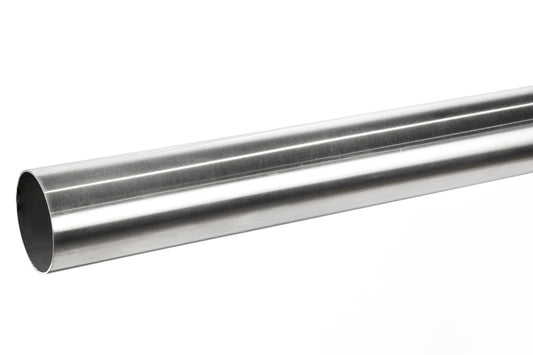
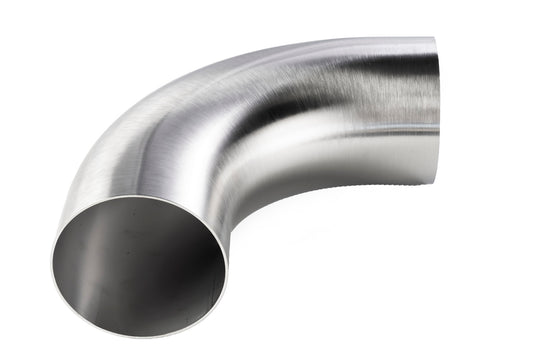
  • Stainless Steel Tube: GR304/GR316 with finish options such as 320 grit (and 600 grit on selected variants), priced per metre — ideal for handrails, frames and exposed fabrication.
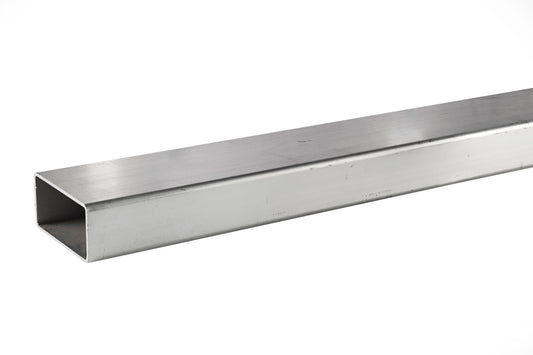
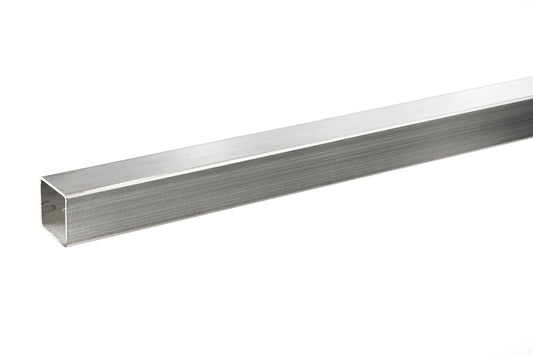
  • Stainless Steel SHS: GR304/GR316 square hollow sections supplied in 6m lengths, commonly used for structural/architectural frames where you want a clean, corrosion-resistant finish.

If you’re unsure which stainless product or grade fits your environment, tell us what you’re building and where it’s going and we’ll help you choose the right section and finish for the job.

FAQ's

What is stainless steel made of?

Stainless steel is an iron-based alloy that contains chromium; that’s the key ingredient that helps stainless resist corrosion. Chromium forms a thin, self-protecting surface layer (often called a “passive layer”) that helps protect the steel in everyday environments.

Most stainless grades also include other alloying elements to tailor performance:

  • Nickel is commonly used to improve toughness and corrosion resistance (and helps with that clean finish).
  • Molybdenum (in many 316 grades) improves resistance to pitting and corrosion in harsher environments like coastal exposure.

Carbon and other elements are controlled depending on the grade and intended use.

Why choose stainless steel instead of mild steel?

Stainless isn’t automatically “better” for every job but it’s often the better choice when corrosion resistance and appearance matter.

Stainless is a great fit when you want:

  • strong corrosion resistance without relying on paint or coating
  • a clean, premium finish for exposed fabrication
  • easier maintenance in wet or wash-down areas (when specified)

Mild steel can still be the better choice when cost is critical, when you’re painting/coating anyway, or when the design calls for structural steel sections and finishes.

What’s the difference between 304 and 316 stainless steel?

304 is the most common all-round stainless — great for general fabrication, architectural work, and many indoor/outdoor jobs.

316 offers higher corrosion resistance, so it’s usually the better pick for coastal exposure, marine-style environments, and harsher industrial conditions. If the job is near salt spray, 316 is typically the safer long-term choice.

Will stainless steel rust near the ocean?

Stainless steel is highly corrosion resistant, but in coastal conditions it can still show surface staining (often called tea staining) if the grade/finish isn’t suited to the environment or if it’s left to build up salt deposits.

To minimise it:

  • choose 316 for coastal/marine exposure
  • use a suitable finish (often a smoother/polished finish holds grime less)
  • rinse/clean periodically in salt-air locations (especially sheltered areas where salt sits)

Can stainless steel be welded and cut easily?

Yes, stainless is commonly cut, drilled and welded in fabrication shops every day. The key is using:

  • the right consumables (blades/discs and filler wire/rods suited to the grade)
  • clean prep and good technique to avoid contamination
  • correct finishing/passivation practices where appearance and corrosion resistance matter

If the welds will be exposed, a proper clean-up makes a big difference to the final look.