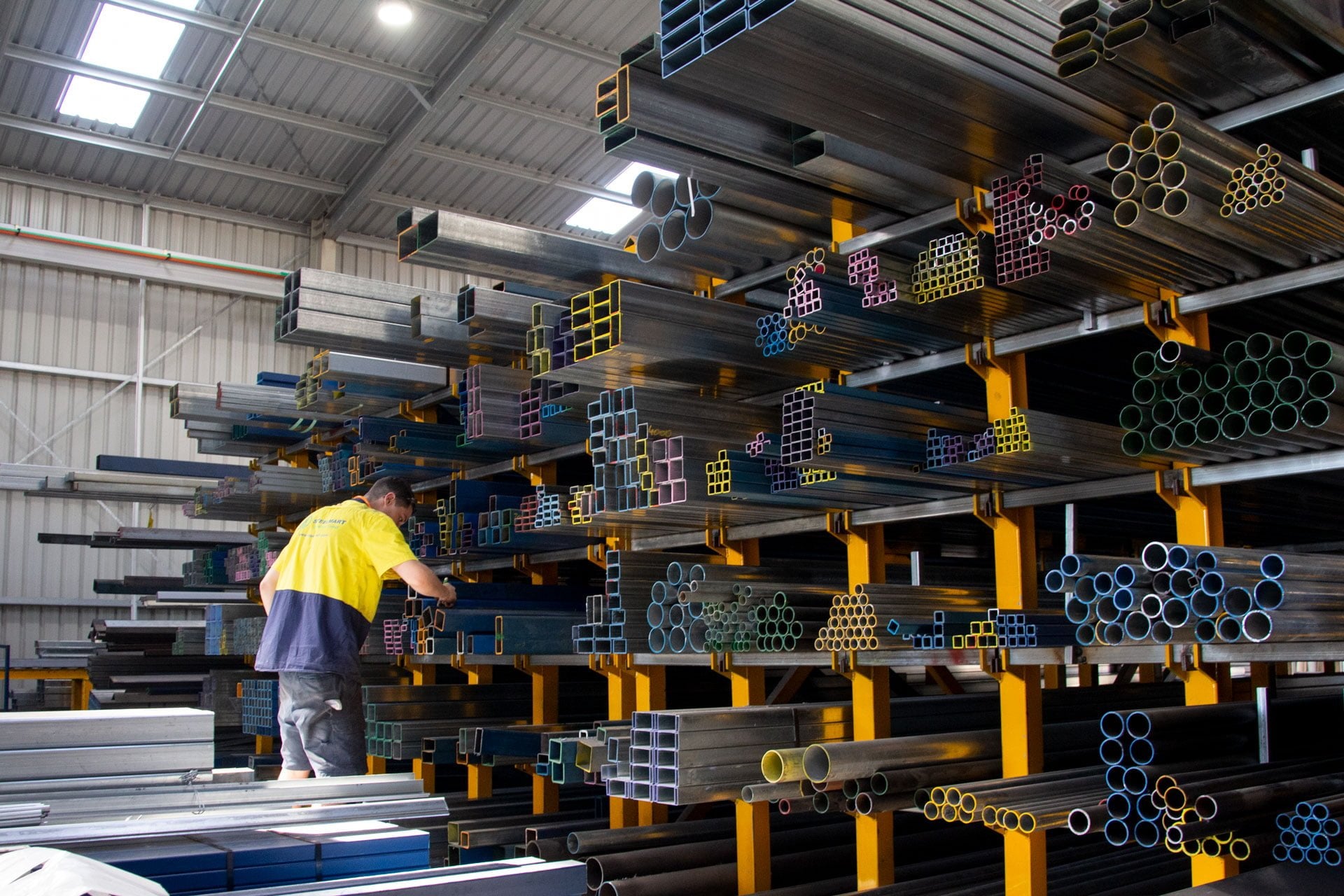
Get strong, dependable support with Steelmart steel angles

Steel angles do the quiet heavy lifting on site; bracing frames, strengthening corners, and turning “good enough” joints into solid, long-lasting connections. At Steelmart, we stock equal and unequal mild steel angles, plus stainless steel angle and duragal options for corrosion-prone environments. Need it in a specific length? We can cut to size on request and get your order moving quickly.  

Use steel angle for:

  • Brackets, cleats and connection plates
  • Frame bracing and corner reinforcement
  • Shelving frames and bench supports
  • Gate, trailer and general fabrication work
  • Edge protection and stiffening on light structures

If you’re building with RHS/square tube, or Channels & beams, angles are a simple way to add stiffness, create fixing points, and clean up connections without overcomplicating the job.

What Are Steel Angles?

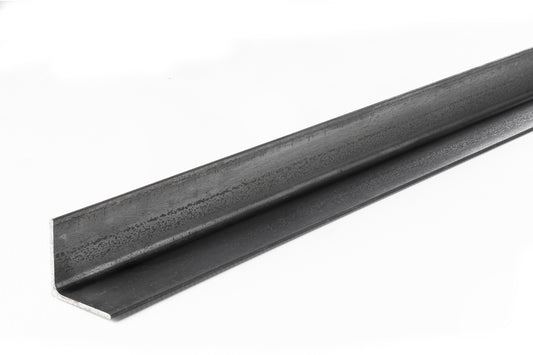
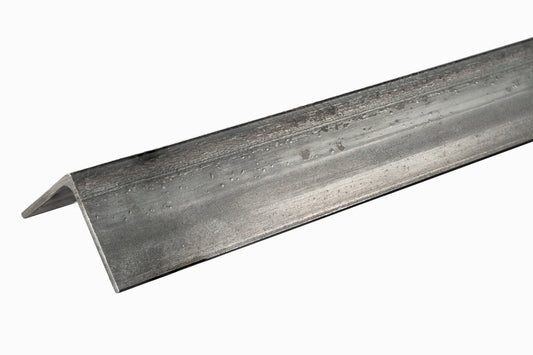
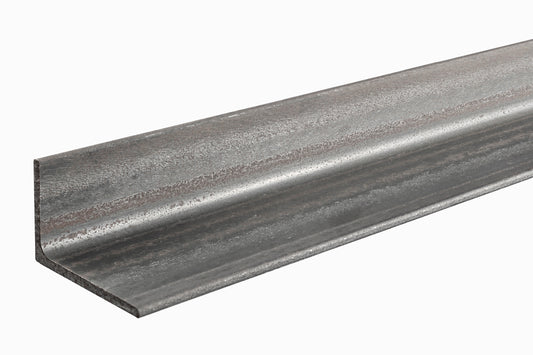
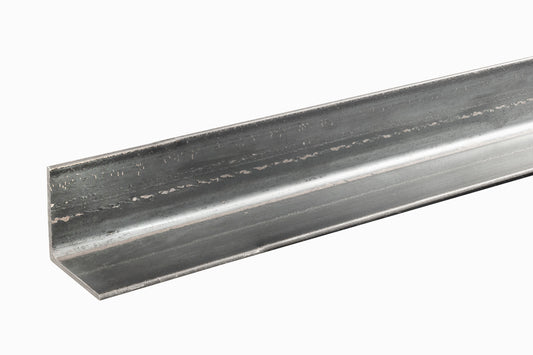
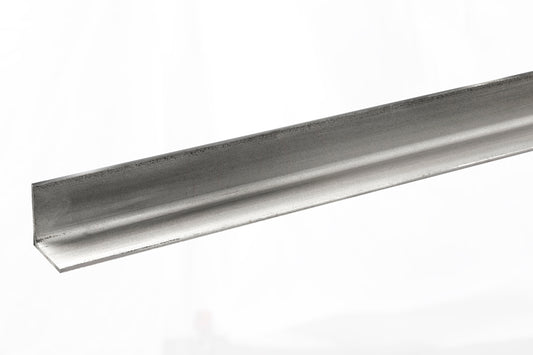
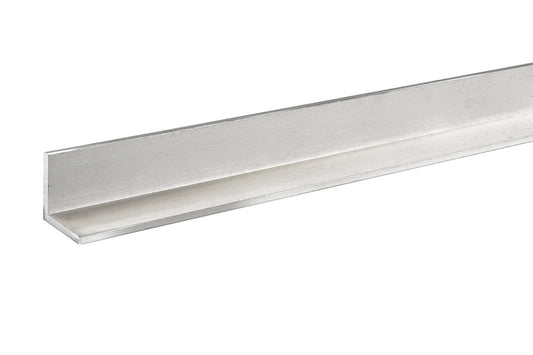
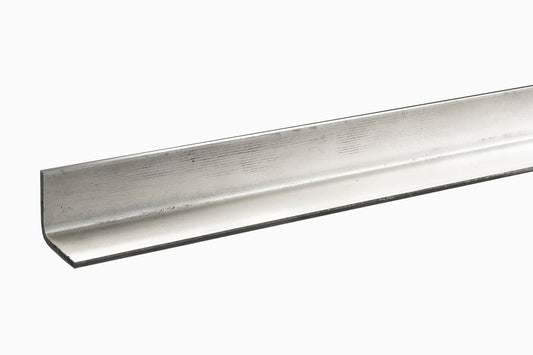
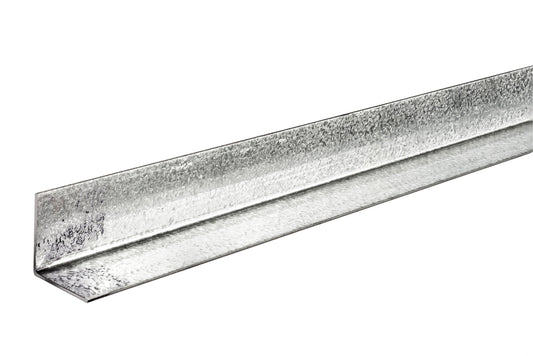
Steel angles are L-shaped steel sections used for structural support and fabrication. Their two legs form a right angle, making them ideal for reinforcing corners, bracing frames, and creating strong fixing points.

At Steelmart you’ll find:

  • Mild Steel Equal Angle — the go-to for framing, brackets and general structural support, compliant with AS/NZS 3679.1 (300MPa).

  • Mild Steel Unequal Angle — a practical choice when you need extra support in one direction (common in brackets, frames and architectural details), also compliant with AS/NZS 3679.1.

  • Stainless Steel Equal Angle (304/316) — ideal where corrosion resistance matters (coastal, food areas, exposed architectural work).

  • Galvanised angle options for added rust protection in exposed or outdoor conditions (where the job calls for it).

Tell us what you’re building and where it’s going (indoors, outdoors, coastal, wet area) and we’ll help match the right angle type, thickness, and finish to the job.

FAQ's

What is the difference between equal and unequal steel angles?

Equal angle has two legs the same size (e.g. 50×50). It’s commonly used where loads and fixing points are fairly balanced — like bracing, frames, brackets and general fabrication.

Unequal angle has one leg longer (e.g. 75×50). It’s handy when you need more fixing area or strength in one direction — such as edge stiffeners, supports, connection brackets, and situations where one face needs extra capacity.

How do I choose the right thickness for a steel angle?

Start with what it needs to carry, how far it spans, and how it’s fixed (welded, bolted, bracketed). As a general guide:

  • 3–5mm: light fabrication and general bracing (small frames, brackets, light supports)

  • 6–10mm+: heavier support work where loads, impact or span increase

If it’s structural or safety-critical, it’s worth checking your engineer’s details or relevant design requirements — the “right” thickness is the one that meets the load and deflection limits for the job.

Are galvanized steel angles better for outdoor use?

Often, yes. Galvanised angle has a zinc coating that helps protect against corrosion, making it a solid choice for outdoor, humid, or exposed environments. It can reduce maintenance compared to uncoated mild steel — especially where water sits on the steel or the job is close to the coast.

For coastal or highly corrosive environments, it’s also worth considering stainless steel angle (e.g., 316) depending on the exposure and life expectancy required.

Do you stock steel angle in different lengths, and can you cut it to size?

Yes. Steel angle is commonly supplied in standard stock lengths, and we can also cut to size on request so it arrives ready to use. If you’re working from a cut list, send through your lengths and quantities and we’ll help streamline ordering and reduce offcuts on site.

What’s better for coastal or wet areas — galvanised or stainless steel angle?

It depends on the exposure level and how long you want it to last.

  • Galvanised angle is a strong choice for many outdoor builds because the zinc coating helps protect mild steel from rust in general weather and moisture.

For coastal locations, salt spray, or consistently wet/chemical environments, stainless steel angle (often 316 for marine exposure) is usually the better long-term option.